Service
Putting data in order.
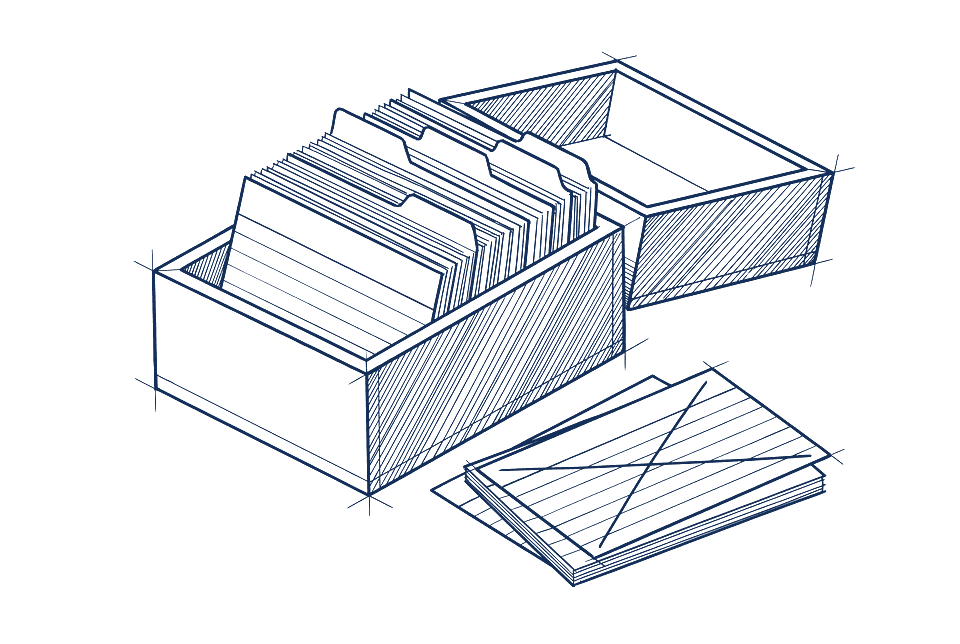
Every project with artificial intelligence (AI) stumbles over the data first. Duplicates in your CRM system, one manufacturer spelt three ways, product fields filled in differently depending on who did it. We put the dataset in order before anything is built on it: data cleansing in your CRM system, your ERP system and your product data, with rules and a log.
Build
What we build
Four jobs on datasets that are too big for Excel.
Cleaning
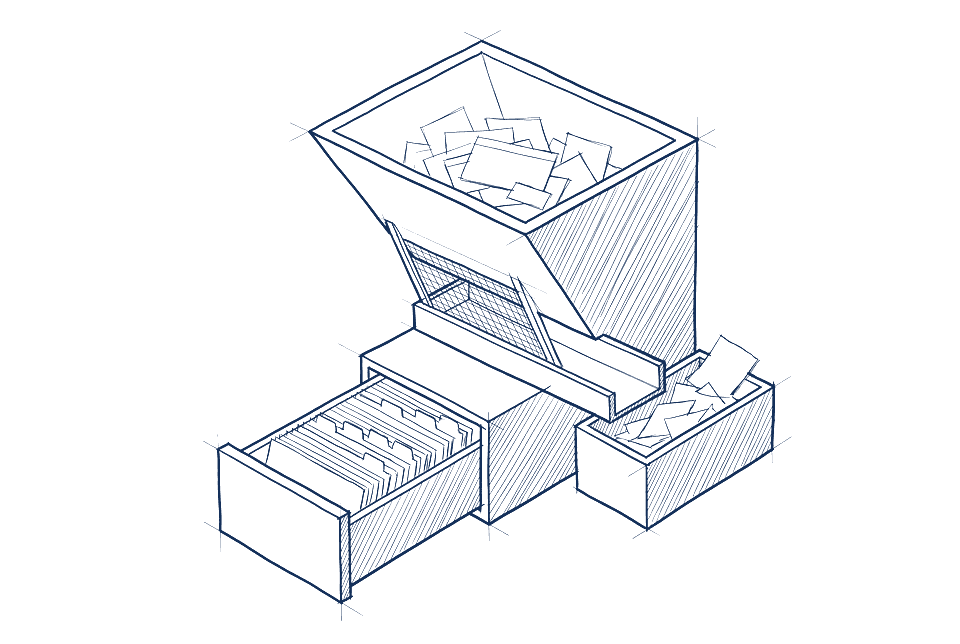
Detecting and merging duplicates, even when name, address and spelling differ. Finding junk data: test entries, placeholders, aborted imports, drawing numbers in the name field. What is clear-cut gets cleaned. What is not clear-cut is put forward for review, not guessed.
Standardising
Manufacturers, categories, countries, salutations, units: one value per meaning. We derive the rules from your dataset, you confirm them, and then they apply to every record and to everything imported in future.
Enriching
Filling empty mandatory fields from existing sources: industry from the website, product features from the data sheet, group membership from the company register. With the source noted for each field, so you know where a value comes from.
Making it usable
A dataset with millions of entries becomes pages, catalogues, search indexes or exports for other systems. Without your system collapsing under the load: we know the query limits of Salesforce and the like, and build so they are respected.
If you then want to maintain the dataset in its own interface rather than in Excel or a screen nobody likes, we build that too: Tools that fit you.
Evidence
How it runs at a spare parts dealer
Independent dealer in original industrial spare parts, Salesforce as the data source, four languages.
The dataset: around 3.3 million product pages and 2,226 manufacturer pages, generated from Salesforce data. We cleared the junk out of the data source before any texts were made from it: placeholders, internal identifiers and discontinued products are thrown out before every processing run. Manufacturer texts are researched by AI and roll out fully automatically every week, with quality checks that catch errors before they go live and a rollback if something is wrong. We cut the Salesforce queries by 71 percent so the client stays within its query limit.
How it works
How a run works
- Findings
The dataset in figures
How many records, how many duplicates, which fields are empty, which values are inconsistent. The findings are part of the workflow analysis and show whether the run is worth it.
- Rules
Deriving rules from the dataset
When are two contacts the same company? Which spelling applies? What may be merged automatically, and what needs a human eye? You confirm the rules before anything happens.
- Trial run
A sample, checked
The workflow processes 500 records. You check them. Whatever does not fit becomes a rule.
- Run
The full dataset, with a backup
A complete backup before the run. Every change is logged and can be undone. The run stays within the limits of your system.
- Operation
New data arrives clean
The rules apply to every future import and every entry. As part of ongoing operation we monitor the dataset and let you know when it starts to drift again.
Price
Price and scope
From €12,000 net, plus VAT, as a fixed price per dataset, binding after the analysis. What determines the price:
- size of the dataset
- number of sources
- share of cases a person has to review
- whether the result is written back into the source system
Data flow: customer data is personal data. Cleaning and standardising usually need no language model at all, just rules and matching that run entirely inside your system. Where a model helps, personal data runs via EU data centres or open models on your own servers, never via a US cloud without your written decision. Data flow per service.
Industries
Relevant industries
- Mechanical and plant engineering: clean up twenty years of item master data in the ERP before a workflow is built on it.
- Electronics and technical distribution: maintain manufacturer price lists, discontinuations and master data so every enquiry meets clean data.
- Energy technology and cleantech: merge partner and installer data that has built up over the years across several systems.
- Service providers and consultancies: reconcile client and project data between CRM, time tracking and accounting.
Questions
Questions about data cleansing
What IT and sales management ask before anyone touches the dataset. More answers under Questions and answers.
Will records be deleted without us noticing?
No. Every run starts with a complete backup, and every change is logged per record. Duplicates are merged, not simply removed, so history and links are preserved. Whatever is not clear-cut, the workflow puts in front of a person. Any change can be reversed using the log.
Can our CRM handle a run across the entire dataset?
Yes, if you know the limits. Salesforce and other systems restrict how many queries are allowed in a given period. We build with caching and throttling so the run stays within those limits and day-to-day work in the system carries on. At a spare parts dealer we cut the Salesforce queries by 71 percent.
Does data cleansing need AI at all?
Often less than you would think. Duplicates, spellings and mandatory fields can largely be handled with rules and matching that run entirely inside your system. A language model helps where free text has to be read or a missing value has to be taken from a source such as a data sheet. The page on data sovereignty sets out which data goes where in the process.
Will the data stay clean afterwards?
Only if the rules keep applying, and the workflow makes sure they do. The confirmed rules apply to every future import and every entry. As part of ongoing operation we monitor the dataset and let you know when it starts to drift again. The article Before AI is let into the CRM shows how to assess your own dataset beforehand.
Handover
The first step is a 30-minute call.
You tell us about the workflow that costs you the most time. We tell you honestly whether AI pays off there and what the next step would be. Whether a workflow analysis follows is up to you.